
World Music Salon Series | Latin String Melodies on Vinyl Event Report
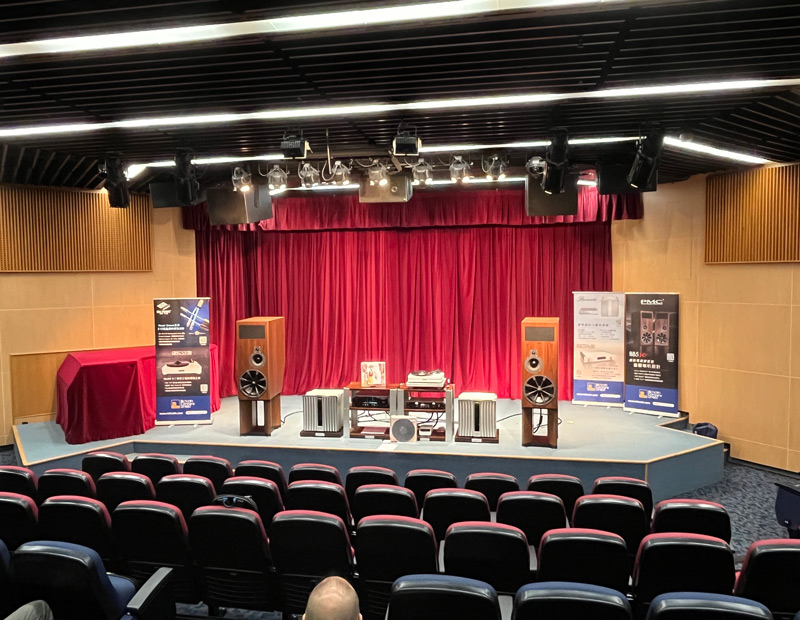
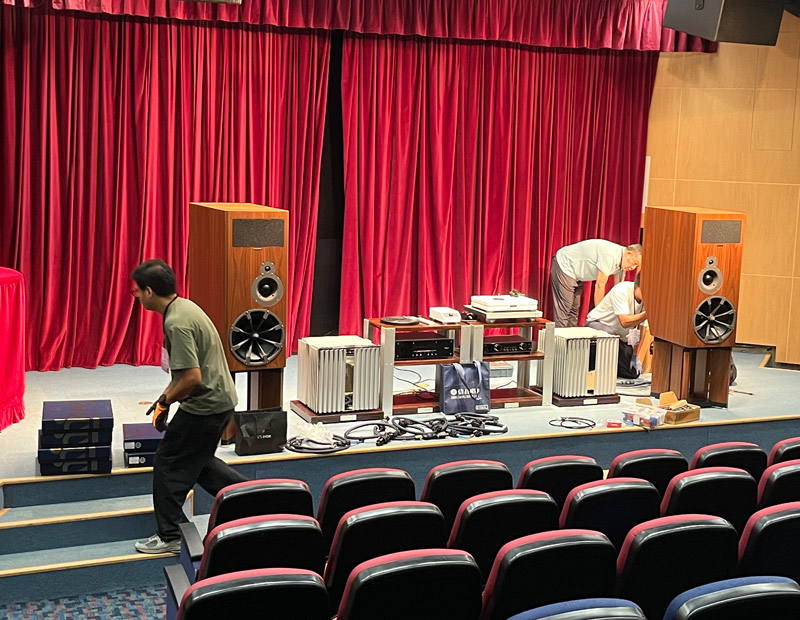
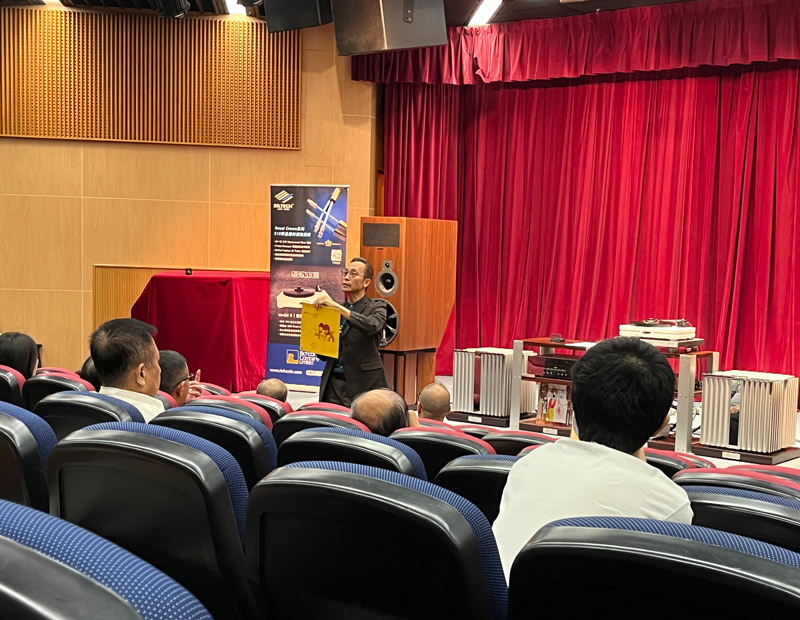
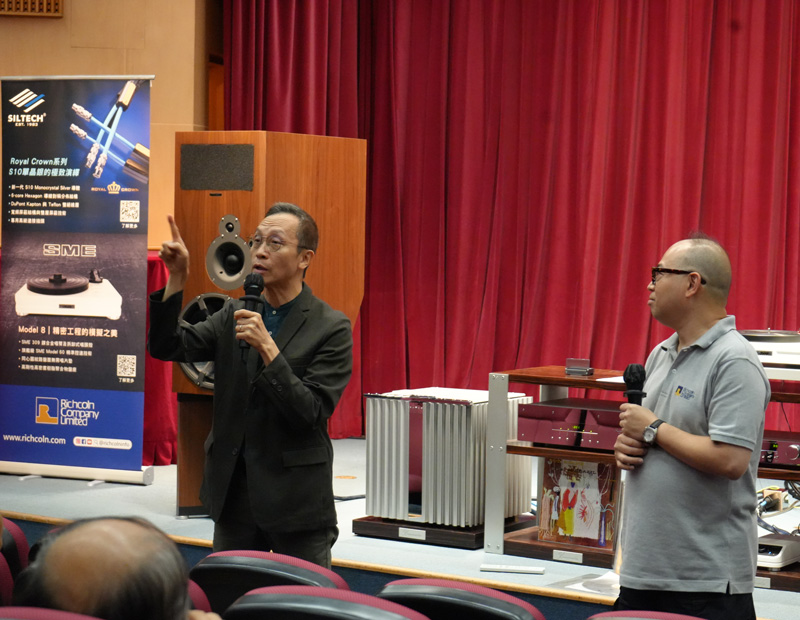
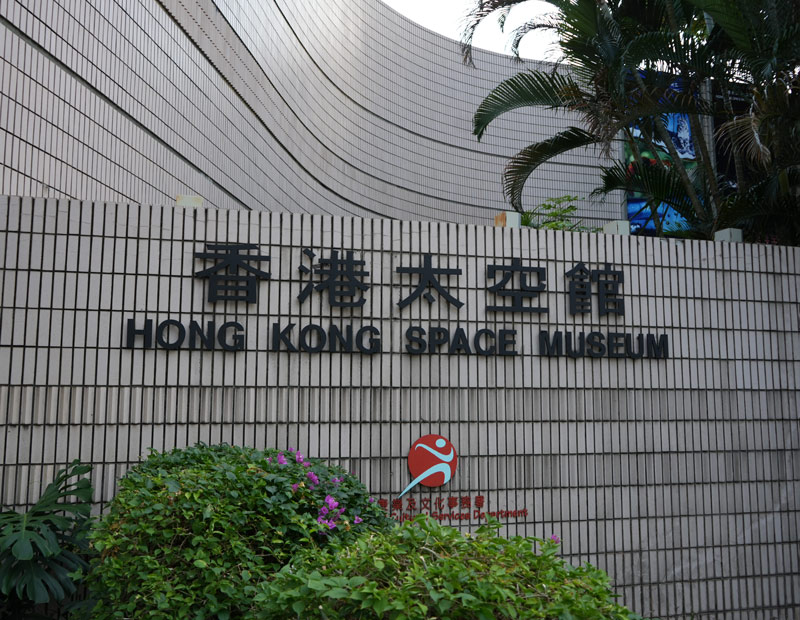
On the evening of 17 October, the Lecture Hall of the Hong Kong Space Museum hosted the two-hour music appreciation event 《Latin Strings on Vinyl》. This event was an extension of the “World Music Salon Series” organised by the Leisure and Cultural Services Department of Hong Kong. Led by Lau Chi-kong, a renowned Hong Kong music critic, the session featured classic vinyl records by the Assad Brothers Brazilian duo as well as Latin guitar pieces from his personal long-held collection. High-end audio equipment loaned by our company was used for playback, allowing participants to savour the beautiful melodies of Latin guitar music.
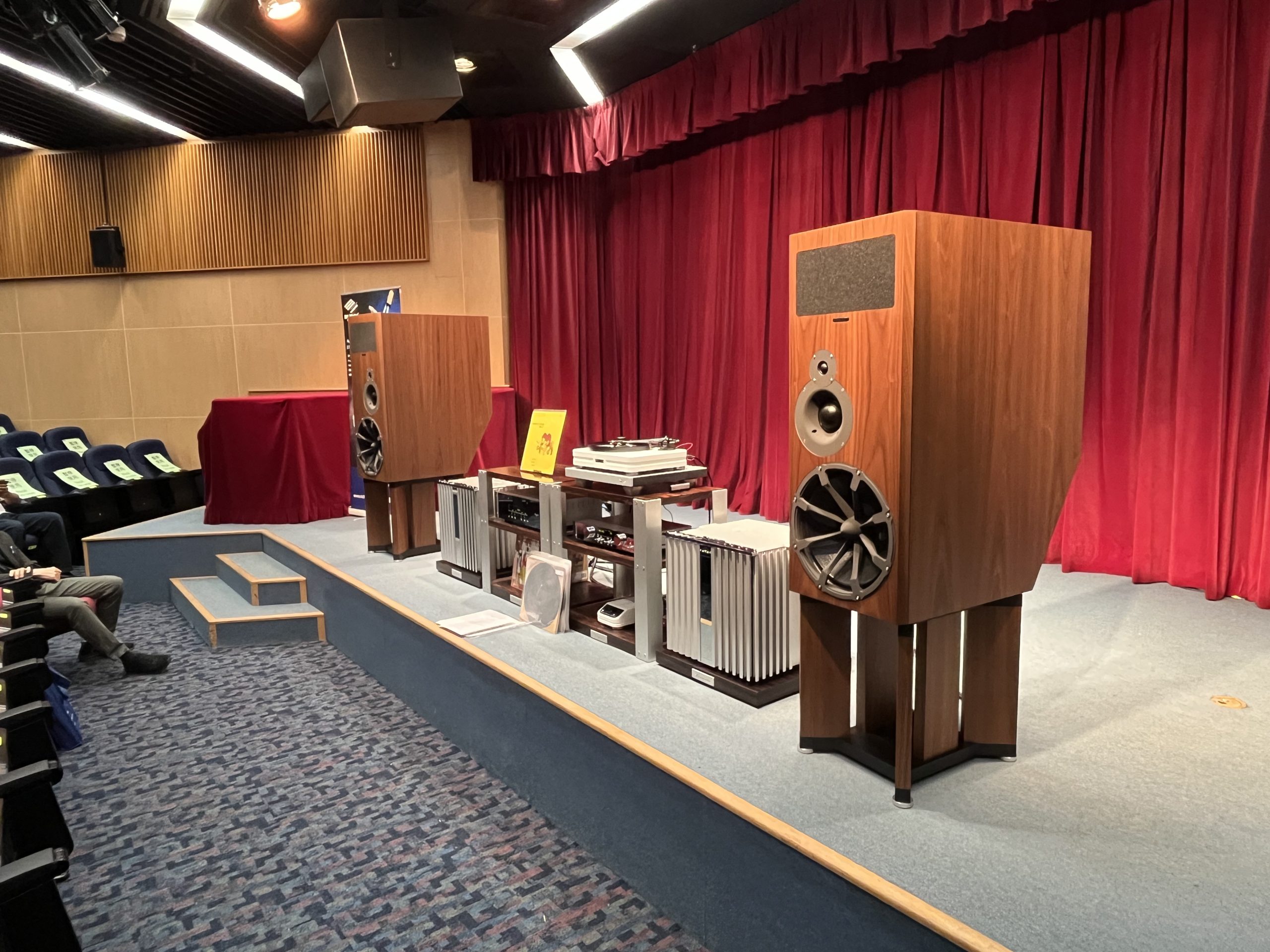
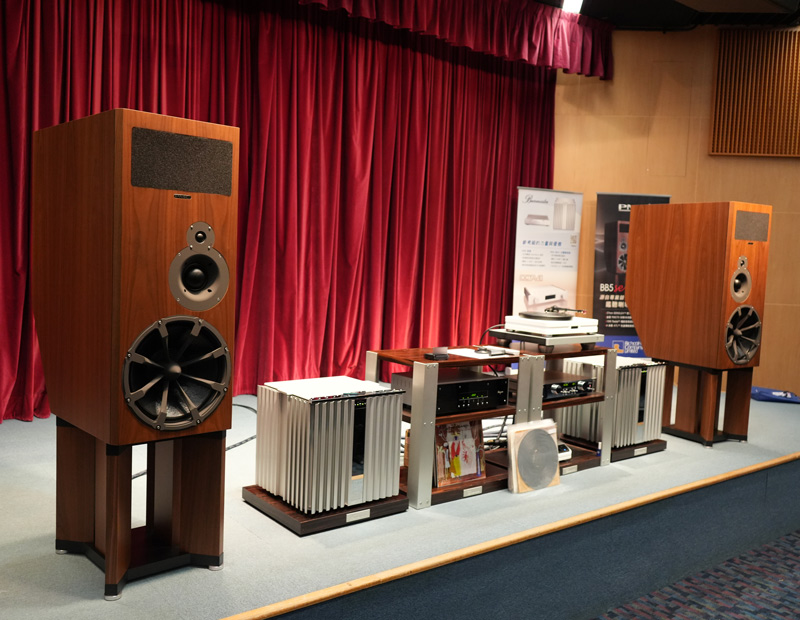
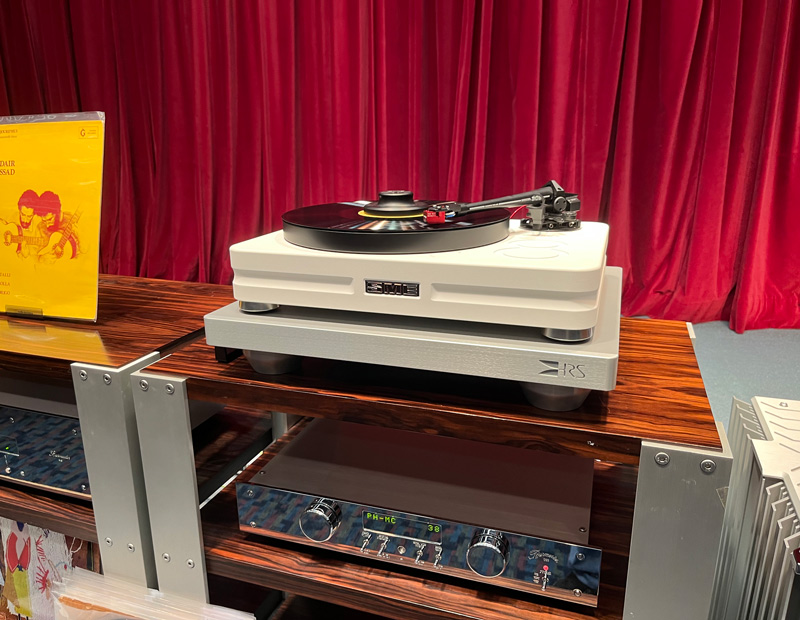
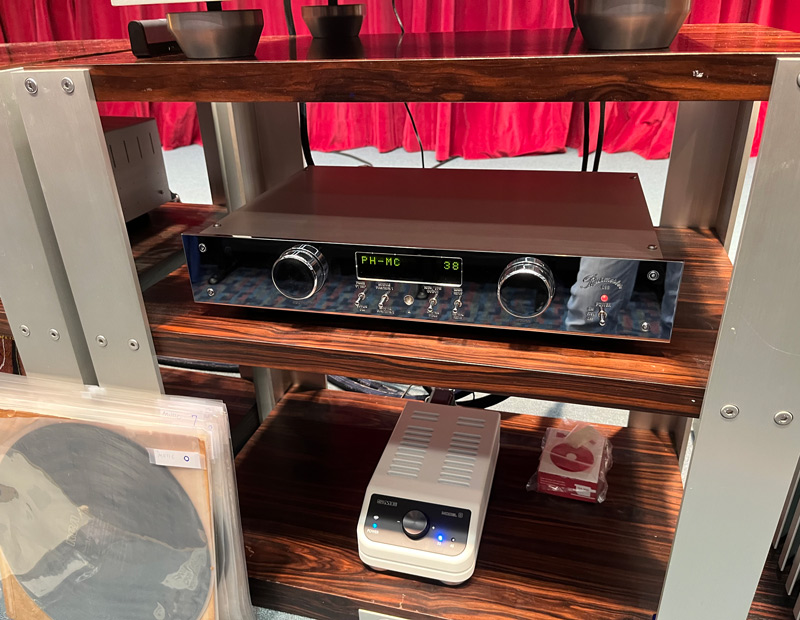
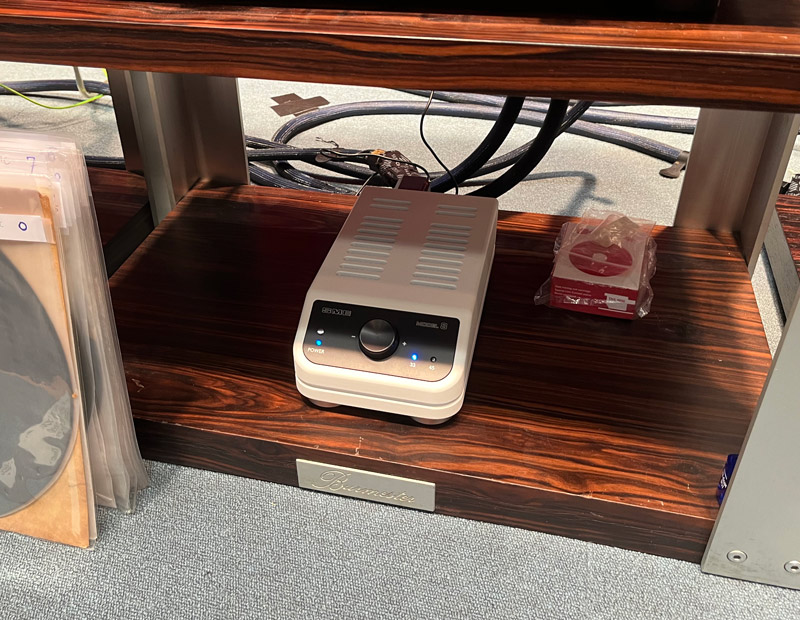
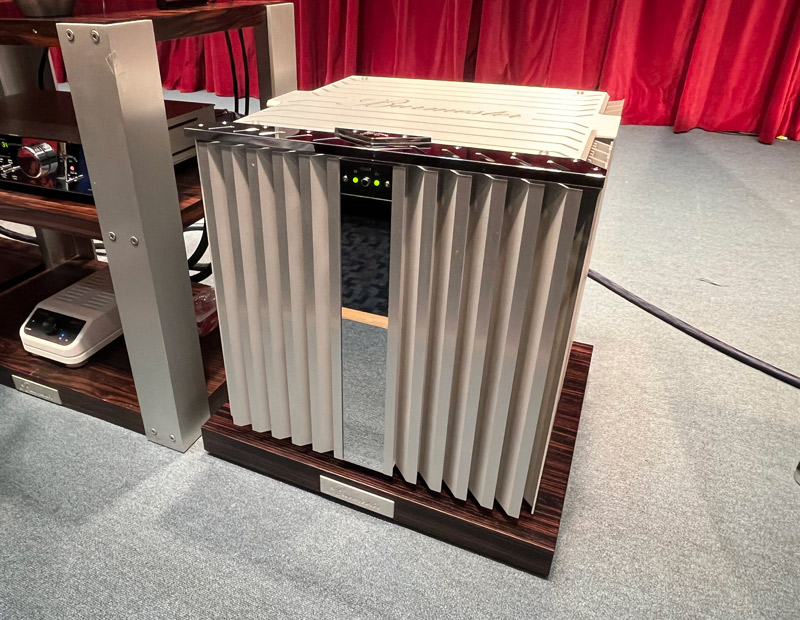
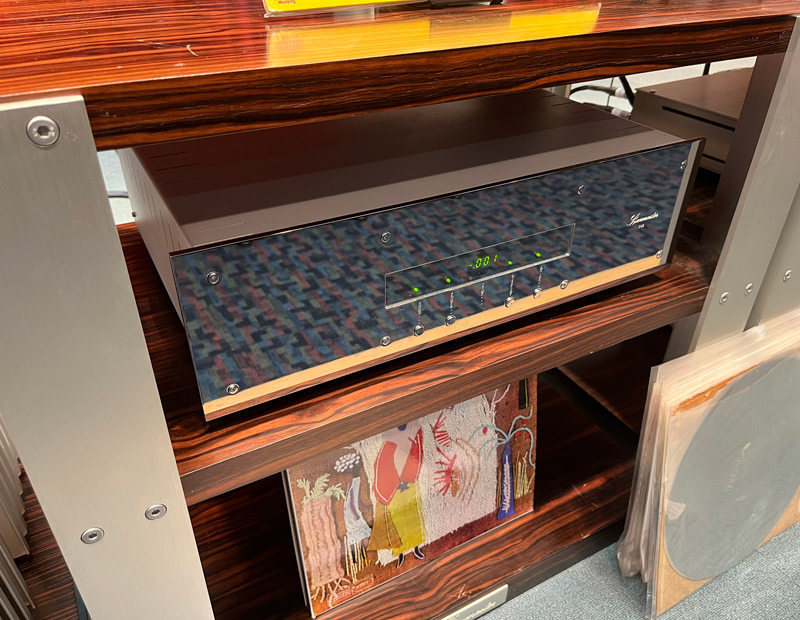
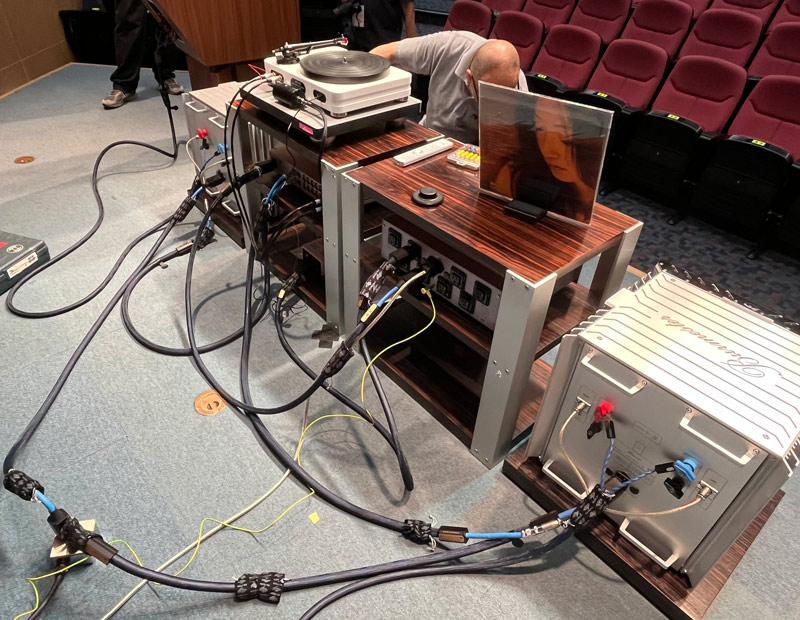
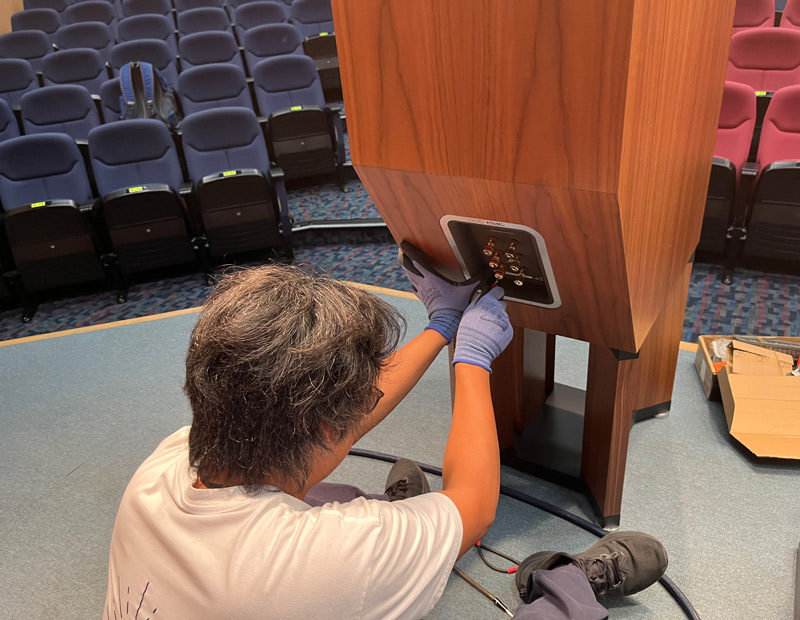
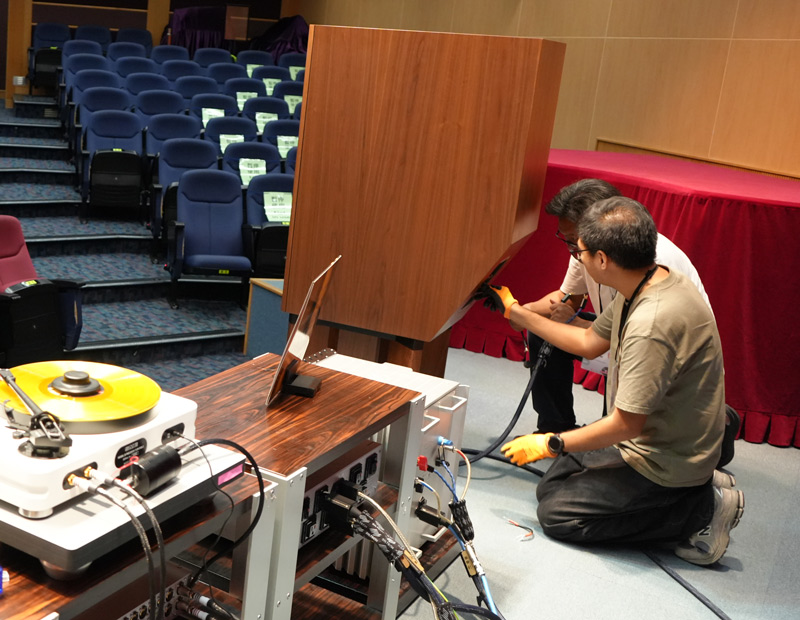
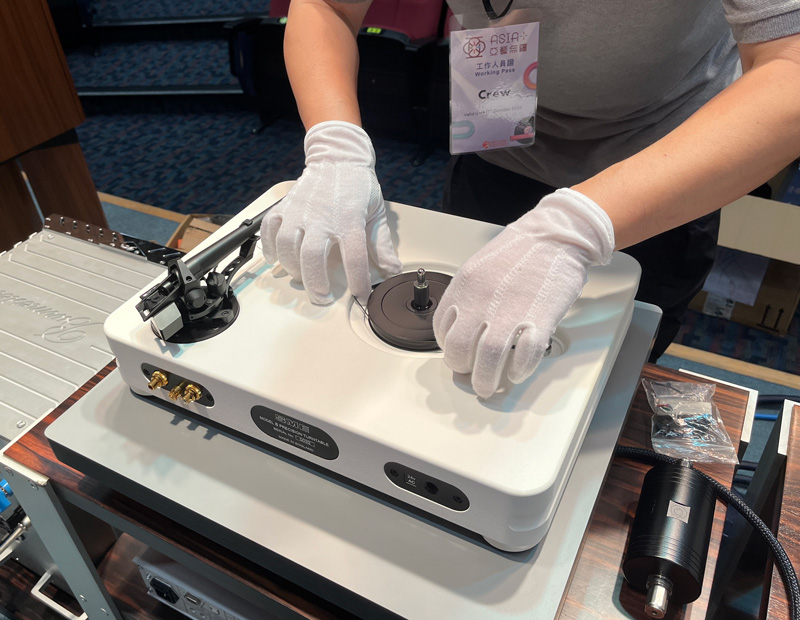
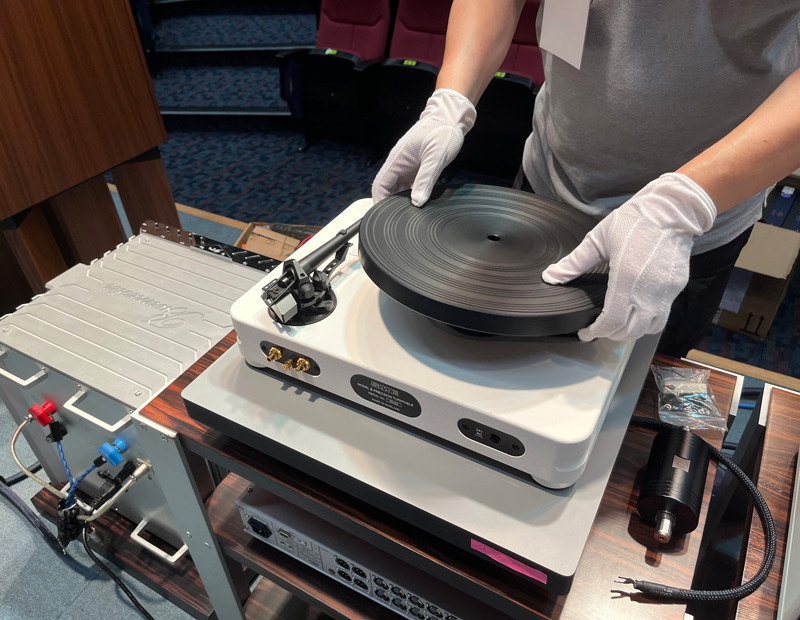
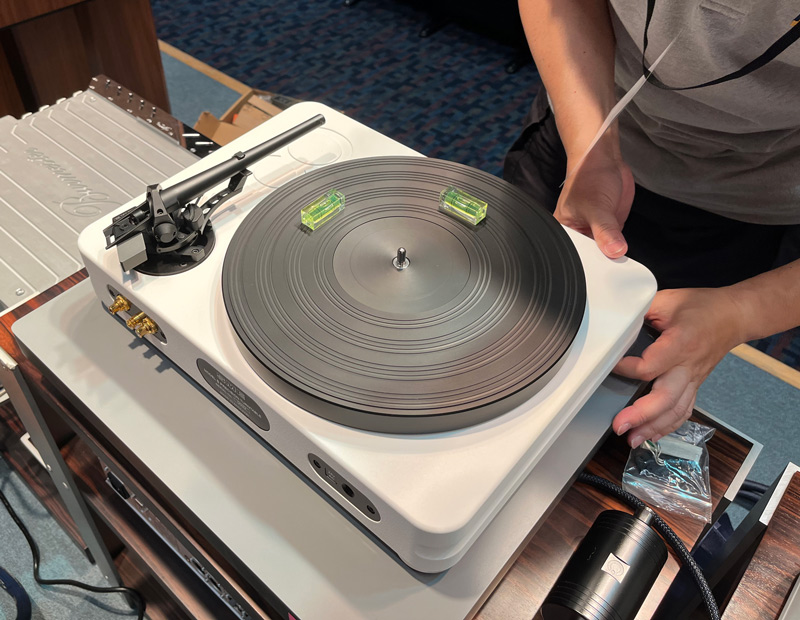
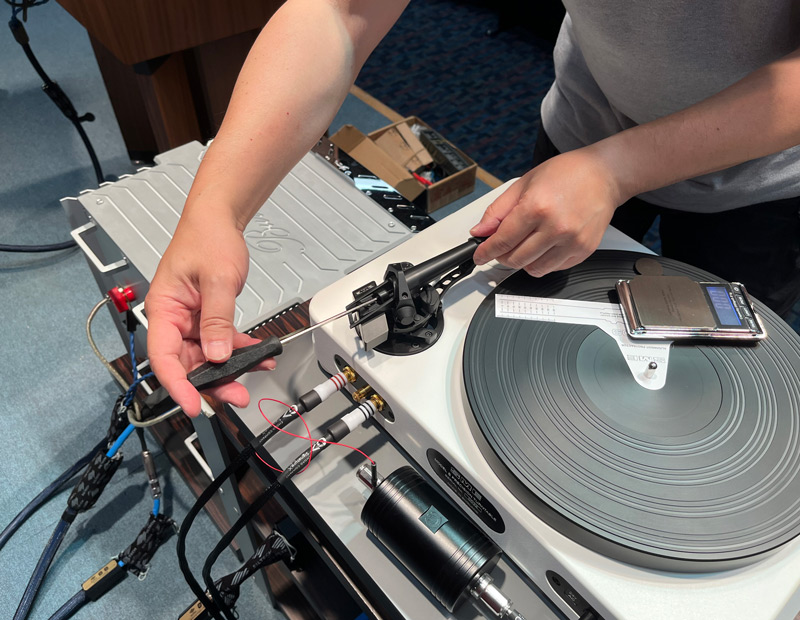
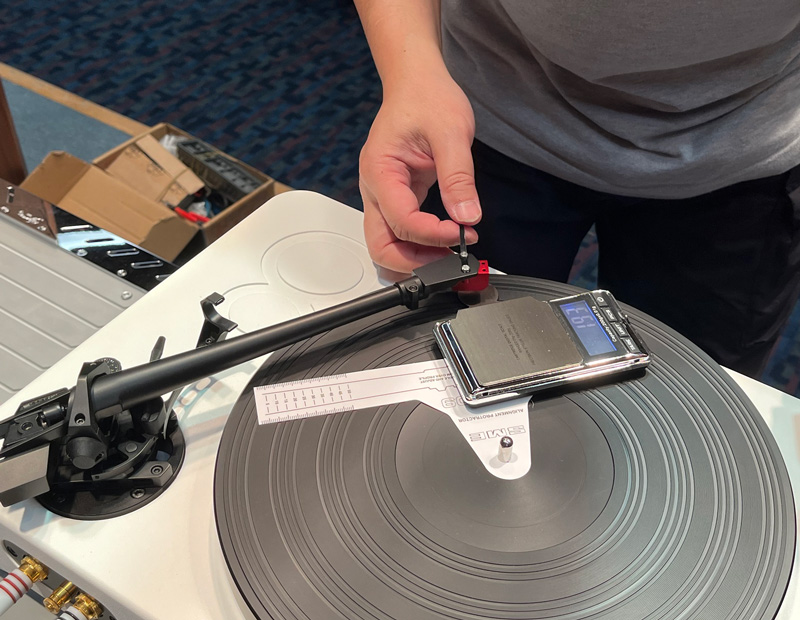
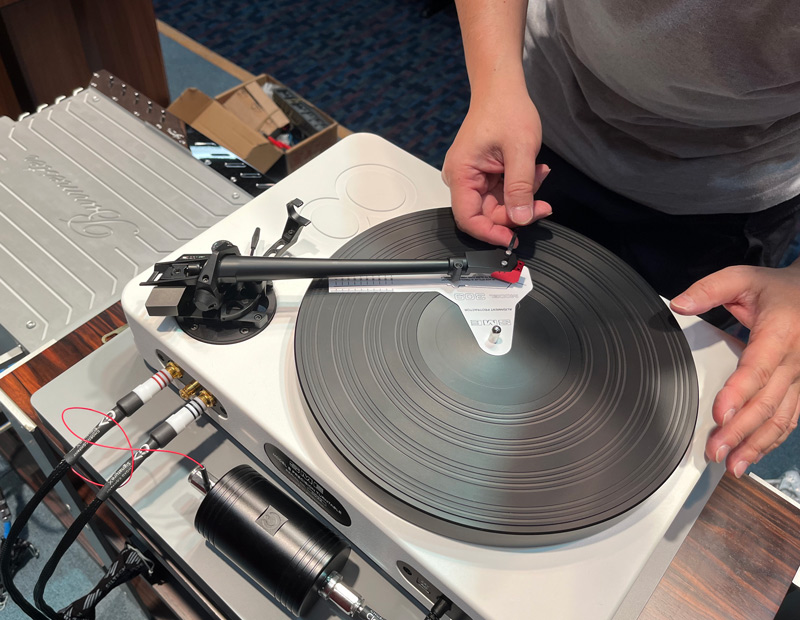
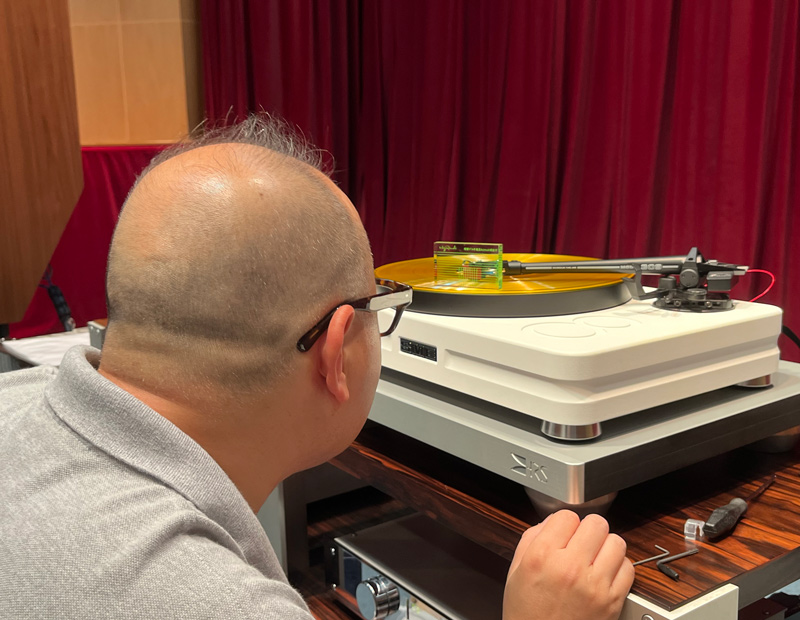
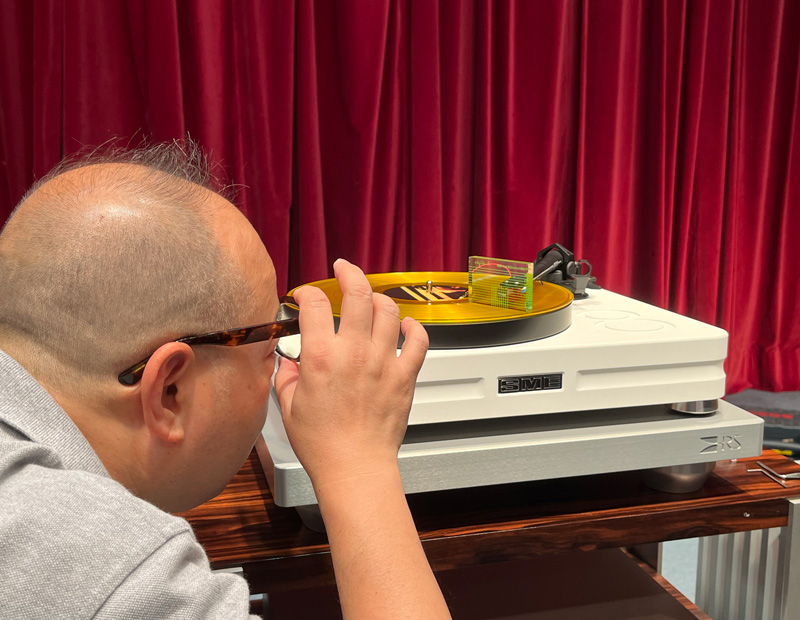
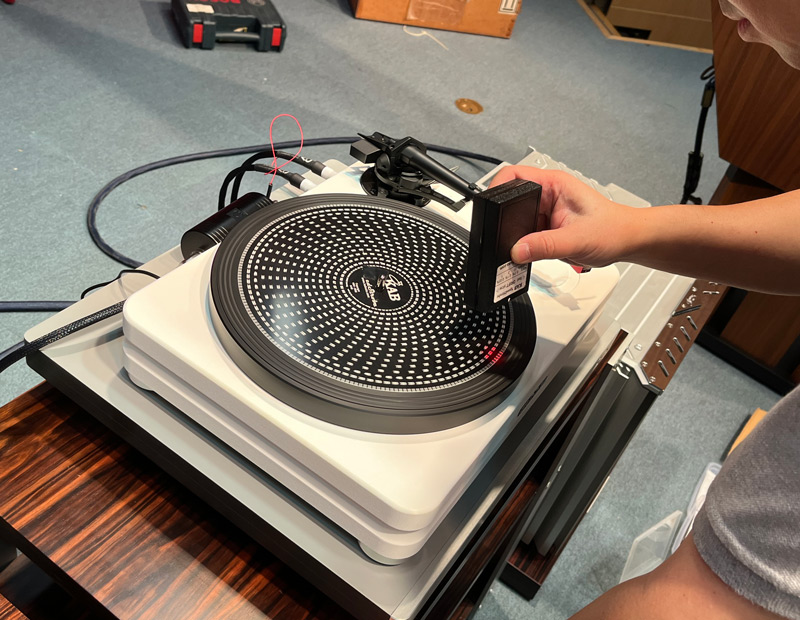
The playback system that day consisted of an SME Model 8 turntable, paired with the HRS EIX-1719-SM-S turntable isolation base specially designed for the Model 8, a Burmester 088 preamplifier (with phono card), two Burmester 909 MK5 power amplifiers, a Burmester 948 power conditioner, PMC BB5 SE speakers, and a range of cables from Chord Company and Siltech Royal Crown. The total value of the entire system exceeded HK$3.6 million. In terms of the listening impression in the hall, the system had an extremely black background, vinyl surface noise was suppressed very low, and the analog flavor was rich without being muddy; driven by the high-power amplifiers, the PMC BB5 SE presented a neutral, poised, and authoritative sound. The texture of the guitar strings, the resonance of the guitar body, and the spatial reverberation of the recording all emerged layer by layer.
Before the start,《Da Hong Fan》music was played to warm up the room. The thick, warm texture of vinyl was revealed first: low frequencies were relaxed and not bloated, and high frequencies carried a soft luster, setting the warmth of analog recording for the whole event.
Lau Chi-kong then gave his opening remarks, introduced the Brazilian Assad Brothers duo, and played tracks 2 and 4 on Side One of 《Alma Brasileira》. The two guitars were clearly separated on the left and right of the soundstage; the warmth of nylon strings and the brightness of steel strings interwoven with each other. The friction of left-hand fingering, the nail touch of right-hand plucking, and the wooden resonance of the guitar body were all delicately presented against an extremely low noise floor. He then introduced the music on Side B of the same record and played tracks 1 and 2 on Side B. The rhythm was brisk, the bass strings were full-bodied, dynamic rises and falls were natural, and the call-and-response between the two guitars was highly lively.
Next, Lau Chi-kong introduced the album 《Gnatalli. Piazzolla. Rodrigo》and played tracks 1 and 2 on Side A. The rhythmic accents and fierce dynamics of the tango were handled with ease under the Burmester system; during fortissimo passages, low-frequency extension had authority, while during pianissimo passages, details remained clearly audible, with fast transients and no smearing. He then explained the works on Side B of the same record and selected tracks 2 and 3 for playback. Melodic lines extended through a deep and wide soundstage, the guitar image was solid, and reverberation was natural.
In the middle of the event, Lau Chi-kong introduced Guy Lukowski and played tracks 2 and 6 on Side B of 《Guitarra de America Latina》. The soundstage expanded backward with ample air, the overtones of the solo guitar intertwined with spatial reverberation, and instrument localization was stable. He then moved from「local rootedness」to Digno Garcia and played tracks 3 and 5 on Side A of《Digno Garcia Sus Cariños en Escena》; the plucking was crisp, the bass of the rhythm section was springy, and the music was brisk without being restless.
After that, he discussed traditional Cuban son/bolero music, introduced Buena Vista Social Club, and played tracks 1 and 2 on Side One of 《Buena Vista Social Club》consecutively. The vocals were thick and warm, the brass was brilliant but not piercing, the bass guitar lines were full, and the percussion was clearly localized; the PMC BB5 SE conveyed the sense of scale of large speakers, with a deep and wide soundstage and full yet controlled low frequencies.
Then Lau Chi-kong explained the origins of Brazilian bossa nova, introduced 《Getz/Gilberto》, and played track 1 on Side A. The metallic texture and breath transitions of the saxophone were delicate, the nylon strings of the guitar were warm and smooth, and the gentle swing of bossa nova was especially charming against the quiet background. He then introduced “Corcovado (Quiet Nights of Quiet Stars)” and played track 1 on Side C of another copy of 《Getz/Gilberto》; the many details were not chaotic, and the music flowed effortlessly.
In the second half, Lau Chi-kong first clarified the kinship and differences between flamenco and Latin American music, and played the middle-to-ending section of tracks 2–3 on Side 2 of 《Flamenco》. Sounds such as rapid rasgueado, hand claps, and foot stomping were sharp and distinct under the system’s high-speed transient response, with excellent microdynamics and spatial sense. He then spoke about how Latin music had spread and branched out, with its styles and elements absorbed and merged with other genres, and played tracks 3 and 4 on Side A of Al Di Meola’s《Elegant Gypsy》; the contrast between the clean and distorted textures of the electric guitar was strong, the fusion jazz rhythm was tight, and the low frequencies were clean and punchy. He then used tracks 1 and 2 on Side 2 of Santana’s《Live in Japan》to explain how Latin rock perfectly combines Latin music elements with the electric guitar; the live audience cheers, percussion, and electric guitar solos were layered one upon another, with strong low-frequency impact and a vivid sense of soundstage immersion.
Finally, Lau Chi-kong discussed the “Latin flavor” in the eyes of non-Latin local musicians, pointing out that music is highly inclusive, and played track 2 on LP1 Side A of Quadro Nuevo’s 《Mocca Flor》, as well as track 3〈El Choclo〉.The instrumental textures were light and varied, high-frequency extension was natural, and the transparency and air brought by the Siltech cables allowed musical elements from different regions to blend harmoniously.
The entire event was linked together by Lau Chi-kong’s guided commentary, from Brazil, Argentina, and Cuba to Latin rock and world music fusion. It offered both the analog charm of vinyl and the historical context of Latin music. The audiophile-grade system lent by Xinhan Company not only reproduced the Latin string melodies on vinyl, but also allowed participants in the Lecture Hall of the Hong Kong Space Museum to feel the vibration of guitar strings, the resonance of the guitar body, and the breathing of rhythm, spending an afternoon full of musical detail and audio charm.