
Wattson Audio Showcases Complete Product Lineup with Madison Phono
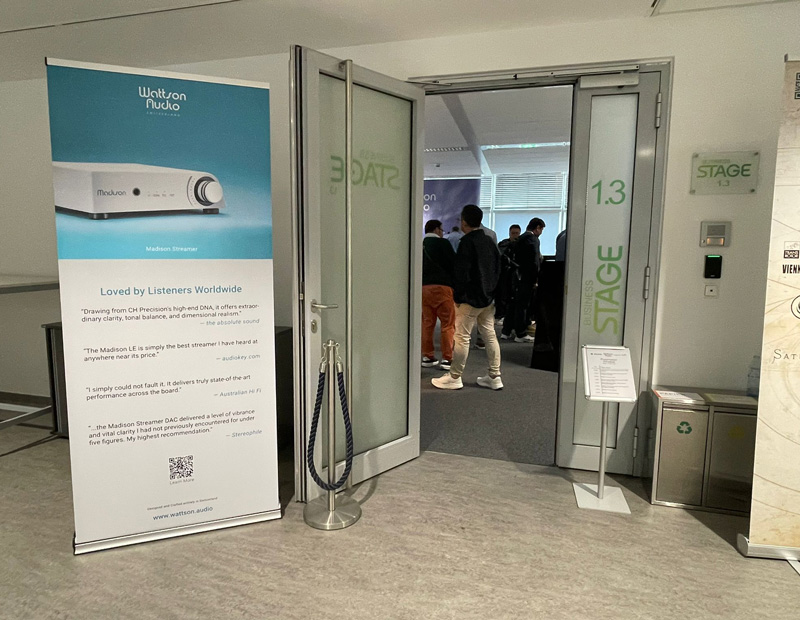
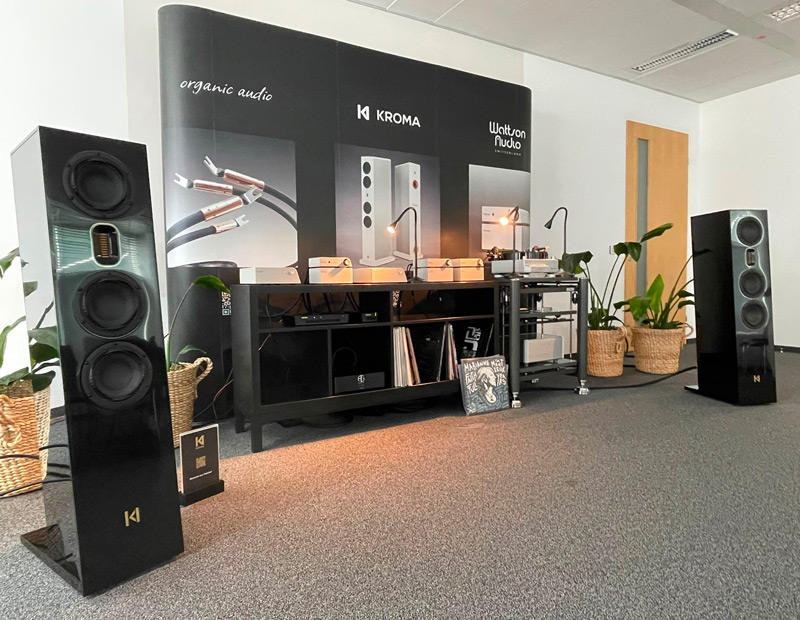
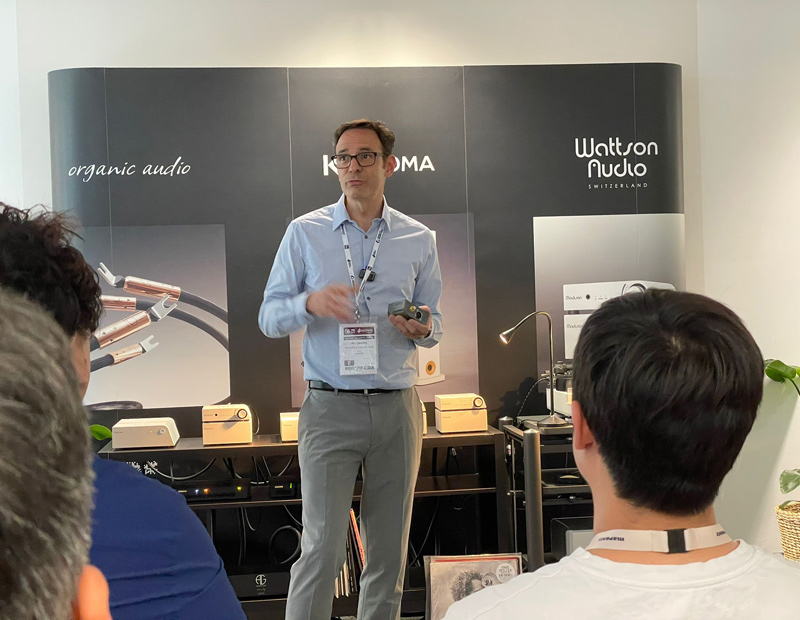
Held for over two decades in Munich, Germany, the HIGH END audio show has now moved to Vienna’s Austria Center Vienna (ACV) for a grand edition. Wattson Audio, the Swiss digital pioneer, took the opportunity to unveil its brand-new Madison Phono phono stage for the first time ever in the Stage 1.3 area of the Vienna Sound Fest—a satellite event located just across from the main venue. Alongside its existing digital streaming sources and amplifiers, the company demonstrated a complete product ecosystem, marking its foray into the analog front-end domain.
Global Premiere of Madison Phono
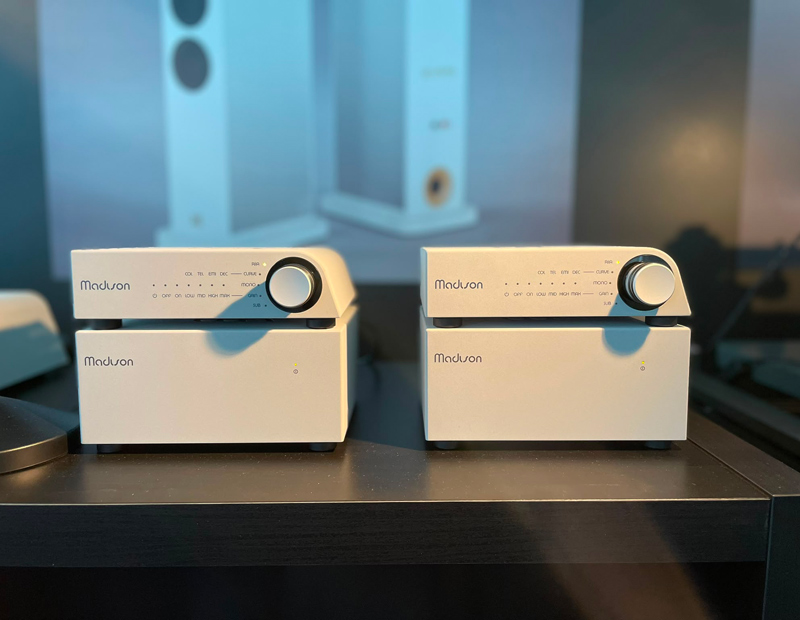
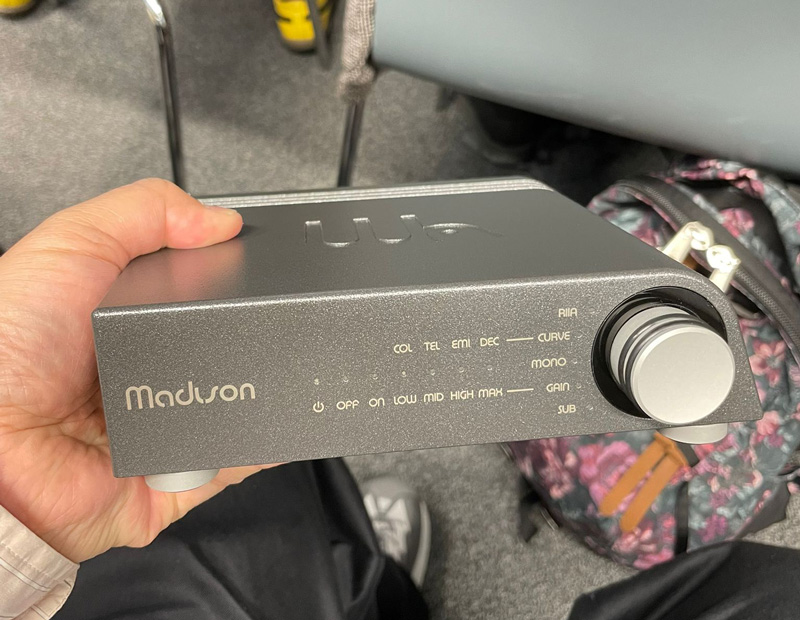
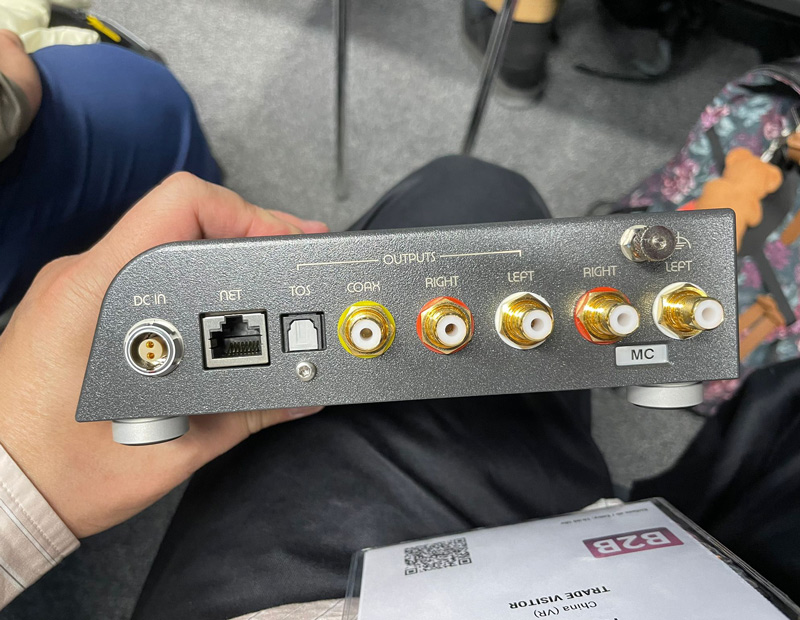
Undoubtedly the centerpiece of the Wattson Audio exhibition area was the world’s first public demonstration of the Madison Phono phono preamplifier. Developed in collaboration with sister company CH Precision, and designed and manufactured entirely in Switzerland, this new model extends Wattson’s engineering expertise into one of the most demanding stages of audio reproduction: phono amplification.
Technically, the Madison Phono’s most striking feature is its exceptionally rare input architecture flexibility. It offers three selectable input configuration options, including an optical input specifically designed for optical cartridges, compatible with brands such as DS Audio. This allows the Madison Phono not only to accommodate traditional moving-coil (MC) and moving-magnet (MM) cartridges but also to leverage its digital processing strengths in modern opto-electrical transducer systems. Internally, it incorporates advanced cartridge loading adjustments and multiple RIAA equalization curves—all processed with high precision in the digital domain—and provides a digital output for connection to high-end DACs.
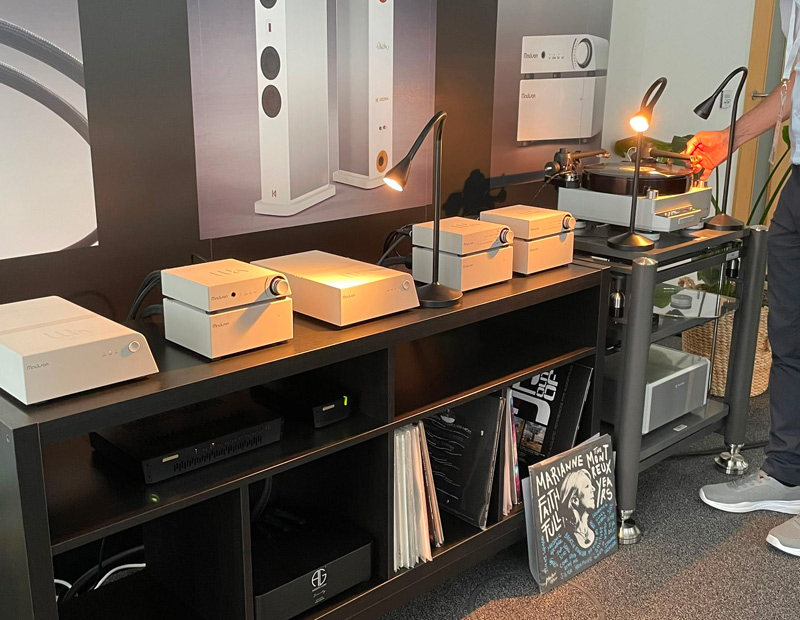
At the Vienna show, Wattson Audio demonstrated the phono stage’s versatility in the most direct manner: dynamic demonstrations were conducted with the Madison Phono paired with both a traditional MC cartridge and an optical cartridge, allowing visitors to compare the performance of two distinctly different pickup technologies within the same amplification framework in a single space. For a brand that built its reputation on digital streaming sources, the launch of the Madison Phono is not merely a horizontal expansion of the product line; it signifies that Wattson Audio now possesses full in-house mastery from the very front end of analog sources (phono amplification) to the forefront of digital sources (streaming players) and onward to the amplification drive stage.
Technology Transfer from CH Precision
The system configuration used in Wattson Audio’s dynamic demonstrations in Vienna clearly illustrated the brand’s current technological landscape and complete product portfolio. The core system comprised: the Madison Streamer streaming player/DAC (featuring Wattson’s proprietary streaming interface module), the Power S power supply, two Madison Amplifiers operating in mono mode, and the globally debuted Madison Phono.
The Madison Streamer employs a streaming interface module developed in-house by the Wattson team over many years—a module that has been adopted by several renowned European audio brands and has earned high praise within the DIY community. The Madison Amplifier represents Wattson’s first fully analog amplifier design and is also the tangible result of the brand’s inaugural deep technical collaboration with CH Precision. After more than a year of development, the amplifier’s circuit design draws inspiration from CH Precision’s reference-grade works, featuring gain stages and power supply architecture specifically optimized for music reproduction. It breaks free from conventional amplifier topologies, establishing a new standard of high sound quality in its class.
Wattson Audio’s Technical Director, Alexandre Lavanchy, described the brand’s sonic philosophy in a pre-show interview: “Our goal is natural and neutral sound reproduction… ensuring that streaming platforms and D/A conversion are free from the harshness or coldness often associated with digital, while maintaining precision, agility, and dynamics. We pursue a presentation with an analog character that allows emotion to flow, where technology itself never overrides the listener’s ears.”