




HiFi Pig Magazine Review | PMC PROPHECY1 Bookshelf Speaker
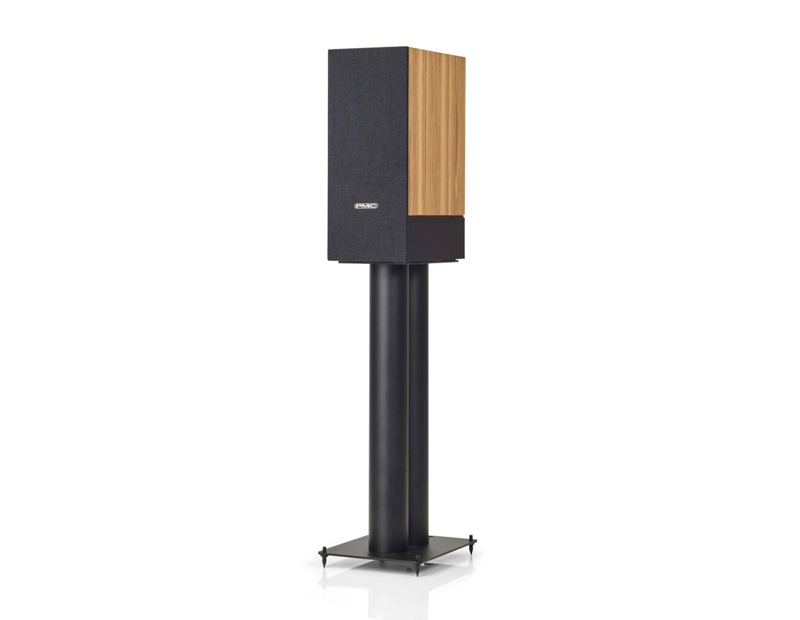
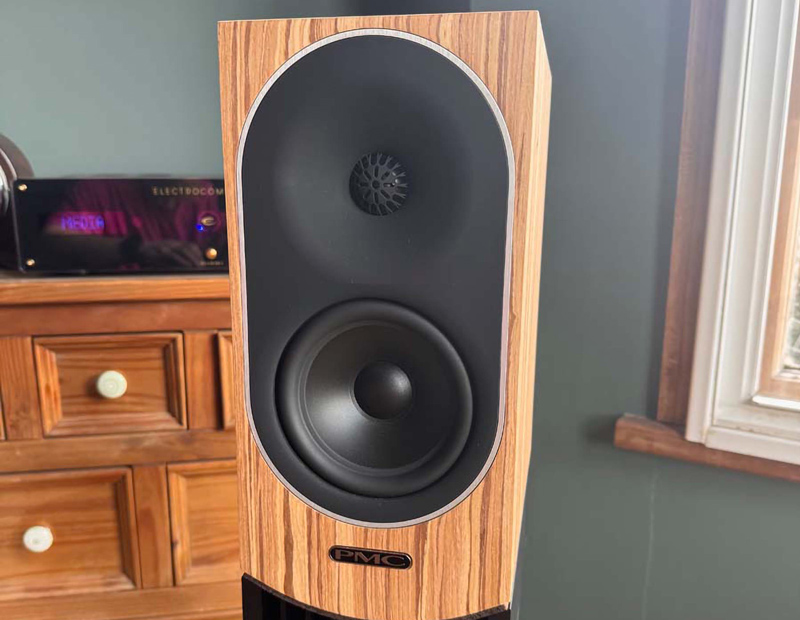
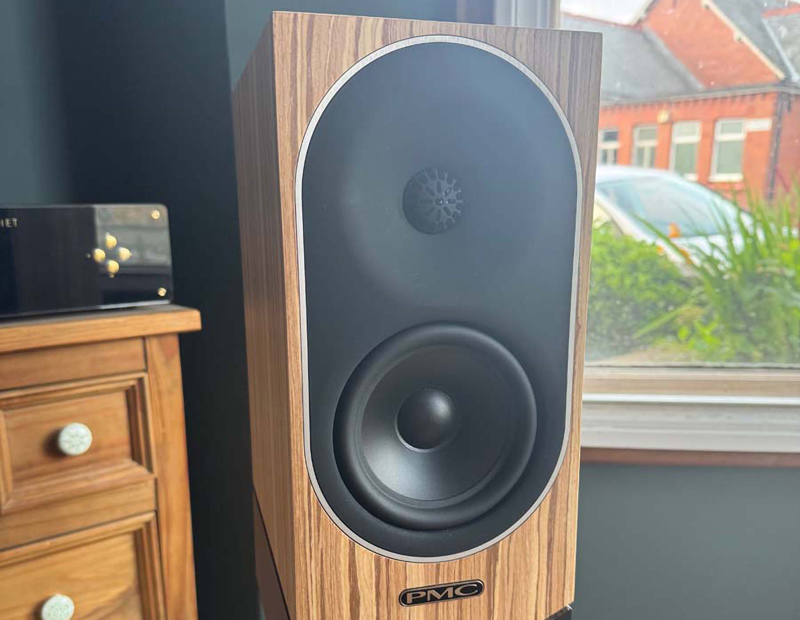
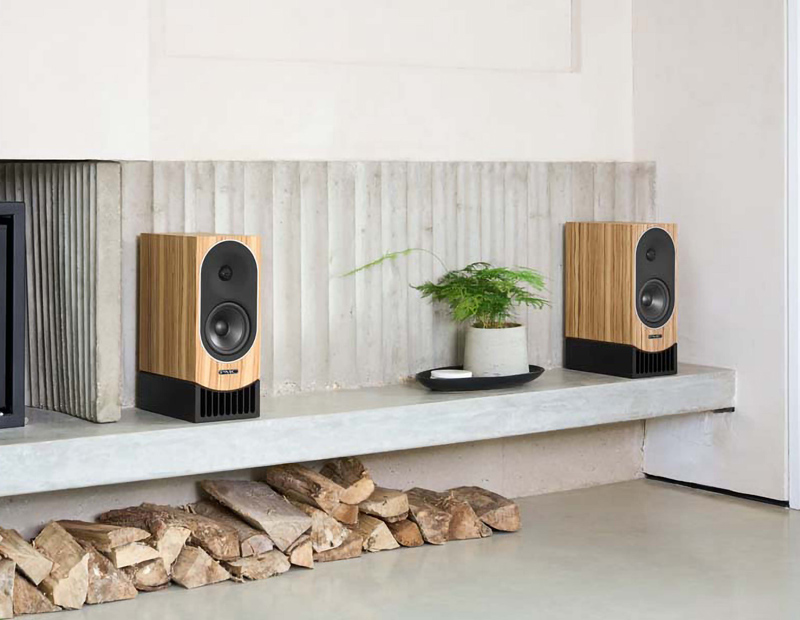
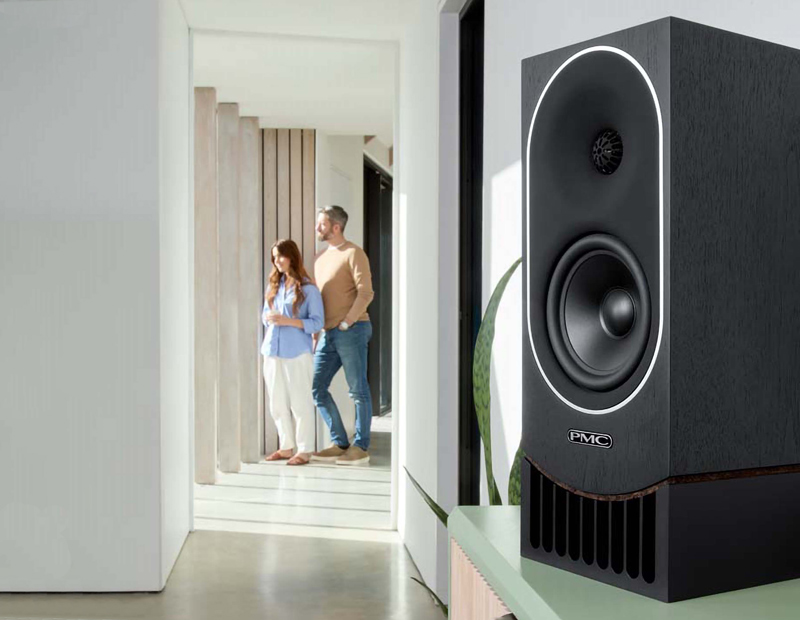
The PMC Propecy1 loudspeaker is a direct replacement for the Twenty5 21i, a rather compact bookshelf speaker clearly aimed at the home market.
To me, PMC’s origin story is interesting. New audio companies often use the marketing message, “We examined the existing market and weren’t satisfied with the sound we heard,” a tired and often overhyped approach. While this was a factor in PMC’s founding, when Peter Thomas was commissioned by the BBC to find monitor speakers for their Maida Vale studio, their challenge was less about sound quality and more about the fact that most existing speakers weren’t robust enough to withstand the demanding demands of playing rock, pop, and dance music at high volumes 24/7.
The creation of the BB5 (the Big Box 5, their fifth prototype) was a milestone, especially in the studio monitoring field. PMC is renowned for being used in countless top recording studios and mastering studios worldwide, from Maida Vale to Metropolis. One striking way this founding background has shaped PMC products is by offering a 20-year parts warranty on all Prophecy series speakers—frankly, it’s incredibly generous. This might seem like an oversimplification in audio components, but if you’re spending four, five, or even six figures on a speaker, it’s expected to last a very, very long time. PMC’s willingness to back up their commitment with real money in this regard is commendable.
PMC PROPHECY1 Construction and Features
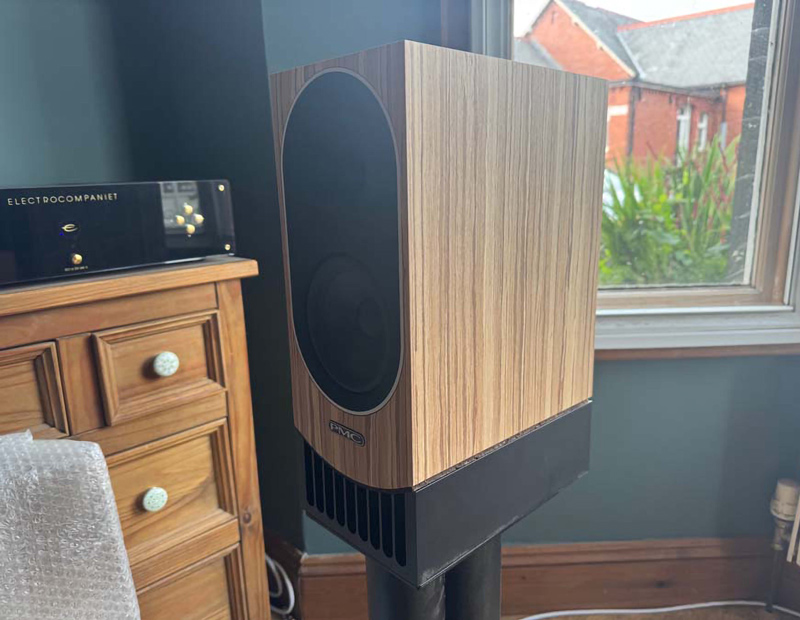
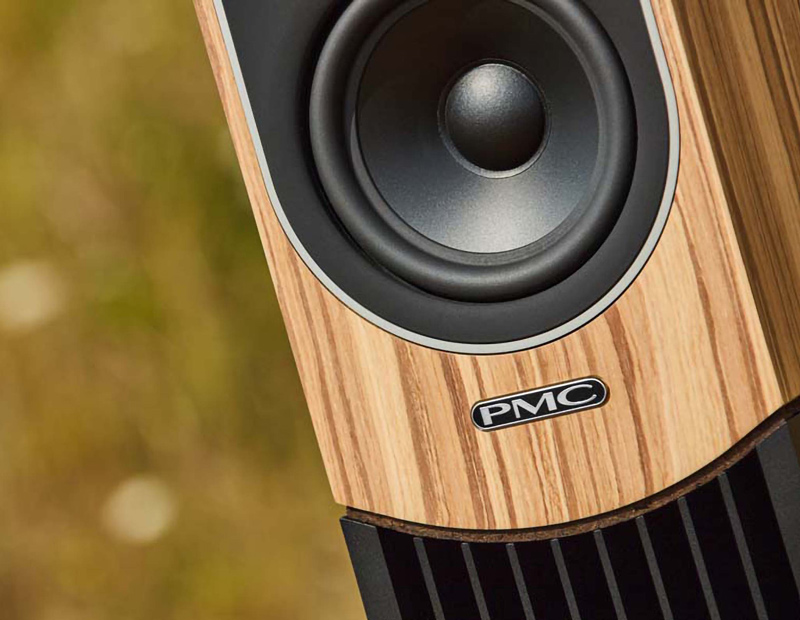
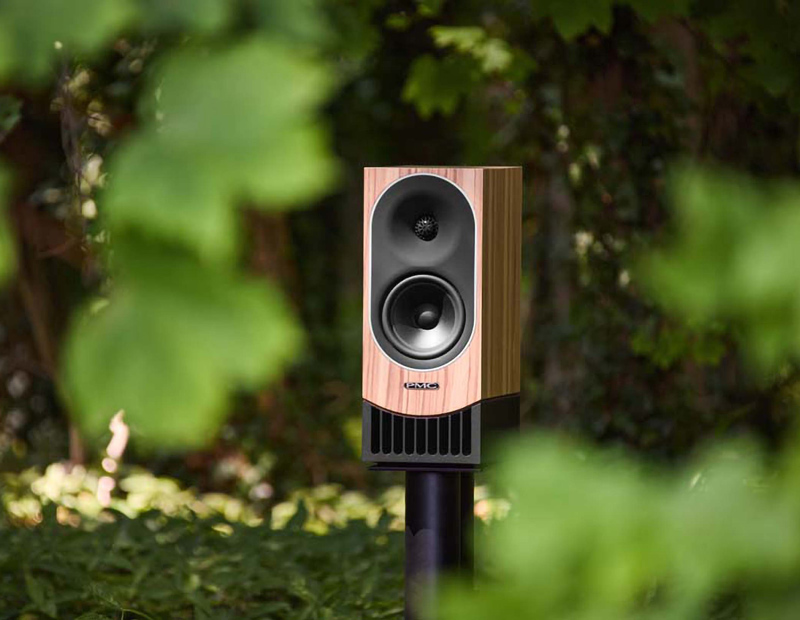
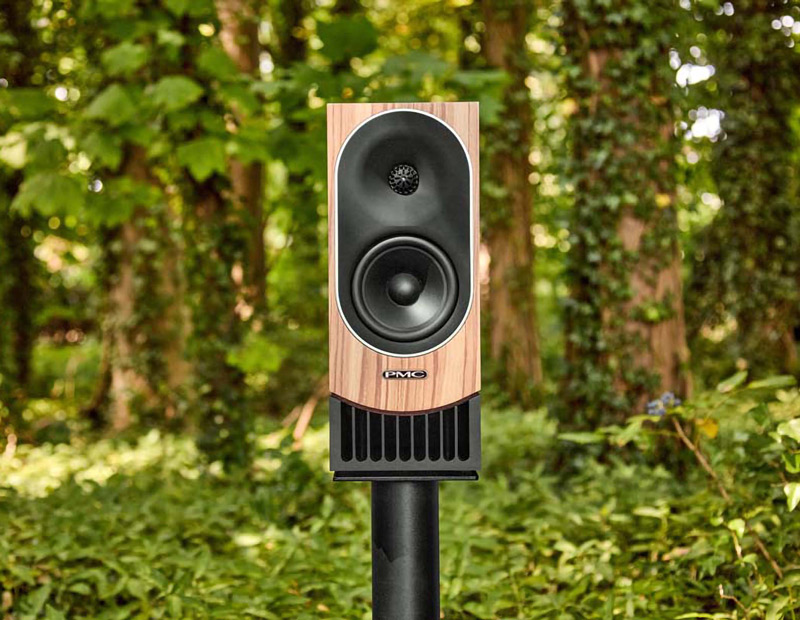
Given PMC’s 20-year parts warranty on the Prophecy series, this is almost self-evident! These speakers are incredibly robust. The addition of a cast aluminum base (to accommodate the new LaminairX design at the end of the transmission lines) means these speakers are also relatively heavy. The previous 21i weighed 6 kg and was only slightly smaller; in comparison, the Prophecy1 weighs a full 10 kg.
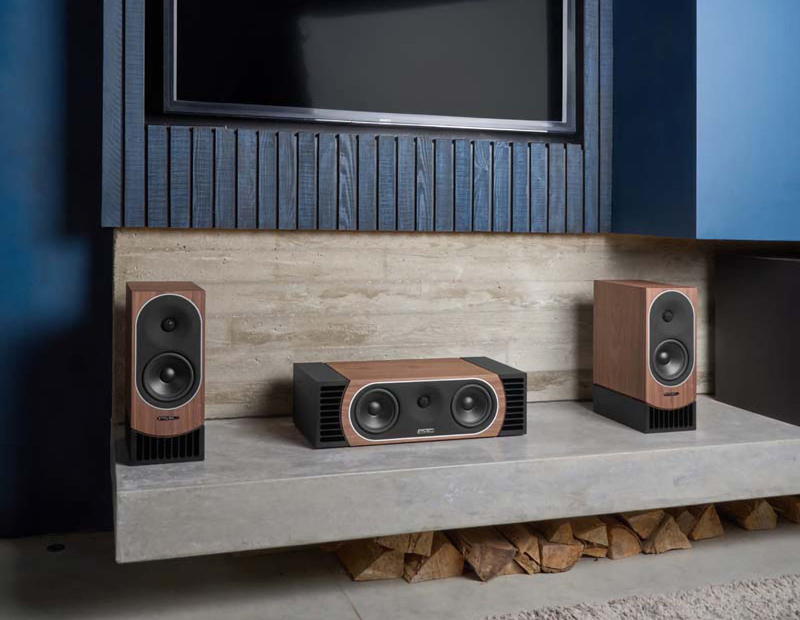
While this isn’t particularly relevant for bookshelf speakers, this cast aluminum base is a significant advantage over the bookshelf models in this series. To date, PMC floorstanding speakers have had a high enough center of gravity that the feet need to extend beyond the cabinet base for sufficient stability. This is because the heaviest part of a speaker is always the woofer, and in PMC’s home-use designs, this part is relatively high. This base itself is not only more elegant but also has a more consistent design aesthetic, which might be a consideration if you’re running an AV surround sound system combining floorstanding and bookshelf speakers.
I think it’s worth exploring the technical aspects of the ATL (Advanced Transmission Line) and LaminairX concepts a little deeper, as they are unique to PMC speakers (and even today, transmission lines are a relatively rare design). Simply put, a transmission line places the woofer at the beginning of a conduit—the idea being that the out-of-phase energy generated when the driver is pulled back will pass through this conduit, and provided the conduit length is correct, this energy will emerge in phase with the sound emitted by the driver. This configuration alleviates some of the challenges of traditional bass-reflex designs, which suffer from more drastic low-frequency roll-off below the duct tuning frequency. The challenge lies in the rather strong enhancement of the third and fifth harmonics. PMC addresses the third harmonics by effectively placing the unit at one-third of the tube’s length, which effectively cancels them out. The fifth harmonics, however, are high enough that the complex sound-absorbing materials inside the ATL absorb them.
Next, the LaminairX system addresses another challenge in transmission line design. My initial guess was that, due to the deliberately somewhat chaotic design of the transmission line’s surfaces and angles, the LaminairX system was intended to help align sound waves as they leave the transmission line. Fortunately, my absence from the Prophecy series launch event allowed me a pleasant chat with Toby Ridley, one of PMC’s engineers, who corrected my thinking. The problem is that the edges of the transmission line create friction as airflow passes through. This means that air exiting from the center of the transmission line moves significantly faster than air at the edges, resulting in various eddies and turbulence as air enters the room. The fins of the LaminairX system help reduce this difference, resulting in more consistent sound wave diffusion.
To summarize the technical discussion, observant readers may have noticed that the Prophecy 1’s nominal frequency range is 50Hz-20kHz, while its predecessor was 46Hz-25kHz. This isn’t a performance degradation, but rather PMC’s decision to change the way they measure frequency response. In this case, PMC shifted from room response measurement to anechoic space measurement. To me, this is an interesting trade-off. Almost no one uses their speakers in anechoic spaces, so you’ll never see that effect in real-world use. However, any room response data is highly dependent on the room, making it quite difficult to compare the frequency responses of different manufacturers.
PMC also took significant steps to consider the environmental footprint of the Prophecy series. This covers several aspects of speaker design and manufacturing. First, all components are manufactured in Europe (primarily in the UK), minimizing shipping distances. They also utilized some new veneer production options, significantly reducing wood waste associated with typical veneers. Based on the oak veneer version tested, there’s no indication that this resulted in a compromise in surface finish quality. They’ve also removed all plastic from the packaging—the boxes are now entirely made of cardboard (printed with vegetable-based inks), and the speakers are wrapped in cloth bags inside. While this isn’t mentioned in the marketing materials, I think their design for an exceptionally long lifespan for these speakers is another significant environmental benefit—not having to manufacture physical products as frequently is perhaps the most substantial of all environmental advantages.
Setup Don’t worry, I won’t waste your time (and my precious words) on the basic process of assembling and connecting a pair of bookshelf speakers. There are no strange issues to report; everything is straightforward.
One thing to note is that, because this is a front-facing transmission line design, it’s much less sensitive to distance from the rear wall. If your room has space constraints that prevent you from placing speakers far from the wall, but you don’t want to opt for a sealed enclosure design, this is an excellent solution to that challenge.
Sound Performance
PMC has a very clear goal regarding how speakers should sound: focusing on accuracy above all else. If you’re a recording engineer, this is absolutely crucial for doing your job well, and PMC hasn’t changed that when tuning for the home market and professional audio users.
When reviewing or auditioning equipment, I always play some heavy metal music. The reason is simple: I listen to a fair amount, and I want it to sound good! However, it seems many heavy metal albums (even those that are otherwise well-recorded) suffer from one problem—when you turn the volume up high enough to deliver sufficient bass impact, the high frequencies often sound unpleasantly harsh and shrill. The prophecy1 amplifies this effect to the extreme; it’s their very nature—transparent and accurate. Even an album like Tool’s *Fear Innoculum*, which is otherwise exceptionally well-recorded, suffers from this issue.
Switching to other music that demands a lot of bass impact completely eliminates this problem. I switched from Tool to GoGo Penguin’s *Garden Dog Barbeque*, and without even touching the volume controls, the problem was gone. The bass and drums had all the impact you could want, but the high frequencies remained clear and balanced. There was no harshness, no auditory fatigue. Audio systems have come a long way from the era of choosing a particular brand based on your preferred genre of music, where brands focused on specific genres. While there are similarities, the underlying principles are somewhat different—the way the prophecy1 reveals issues in a recording means that if your musical taste demands a more forgiving system, these speakers might not be the right fit.
For comparison, I spent time re-listening to John Martyn’s *Sunday’s Child*, a familiar favorite in this regard. The prophecy1 shone in this regard with its overall clarity and balance. Delicate touches were clearly audible; all the nuances from John’s vocals and acoustic guitar were delightful.
Minor Flaws
There’s not much to criticize about the prophecy. I think the only concern is that they relentlessly expose albums with poor recording or mastering, especially those that are overly bright. This isn’t the speakers’ fault, but if it were, choosing different speakers would have been far easier than having Metallica re-record *The Black Album*. Ultimately, we must face reality, not immerse ourselves in a world we wish we could. Thankfully, advancements in recording equipment, especially at lower price points, have been significant, making poorly produced new releases increasingly rare.
They also need to be played at a sufficient volume (with a touch of enthusiasm) to benefit; they don’t need to be deafening, but if you’re listening late at night in a poorly soundproofed apartment, you won’t get the best out of the Prophecy 1. It’s essentially just the laws of physics at work; for the size of the speaker unit/cabinet, PMC has achieved remarkably impressive performance.
Conclusion: The Prophecy 1 is very much in line with PMC’s speaker tradition. It was designed to have the same sonic characteristics as their commercially manufactured studio monitor speakers. While I can’t make a side-by-side comparison, they exhibit all the characteristics of excellent studio monitor speakers.
One point I must particularly praise is the outstanding bass performance for such a small cabinet. Achieving decent bass volume and depth in bookshelf speakers always requires compromises on accuracy and detail. The Prophecy 1 does an excellent job of balancing these limitations. The bass texture doesn’t become muddy, and the low frequencies still have sufficient presence in my room. In conclusion, the conclusions here truly concern you and the dear reader. If you’re looking for the most accurate reproduction of the original recordings in your system, then these are definitely speakers worth considering.
At a Glance
Build Quality & Features:
Rugged build quality and lifespan
Sound Quality:
Clear treble
Stunning bass for driver size
Balanced and coherent sound across the entire frequency range
Value :
These speakers are £300 more expensive than the Twenty5.21i bookshelf speakers they replace. Considering all the improvements and inflation, a price increase of around 10% is quite modest. Furthermore, the 20-year parts warranty is a remarkable added value.
What to Like:
Exceptional performance in its size; it demonstrates how efficient a cable can be if you have the mathematical calculations required to design it! The aesthetics are also a significant improvement over the Twenty5 series and the PMC Professional line. If you require absolute accuracy, especially when dealing with challenging room placements, the Prophecy1 offers a highly attractive option.
Specifications
Frequency Response: 50Hz – 20kHz (-3dB)
Sensitivity: 85dB SPL (1 watt at 1 meter distance)
Input Power: 20 – 200 watts
ATL™ Effective Length: 1.79 meters (5.8 feet)
Impedance: 6 ohms
Drivers:
Woofer: PMC 5-inch/125mm LTXL mineral diaphragm, cast alloy chassis
Tweeter: PMC 1-inch/27mm soft dome diaphragm
Crossover Frequency: 1.5kHz
Input Terminals: One pair of 4mm banana plugs, satin nickel finish
Dimensions:
Height: 400mm / 15.7 inches
Width: 165mm / 6.5 inches
Depth: 260mm / 10.2 inches (plus 23mm terminal protrusion and 10mm grille protrusion)
Weight: 10.3 kg / 22.7 lbs (each)